Choosing the Right Buggy for a Desert Ride in Dubai
Understanding the Desert Terrain
Dubai's desert landscape is more varied than many first-time riders expect. You will find soft, powdery sand in some areas and harder, compacted stretches in others. The dunes can range from gentle slopes to steep faces that require a vehicle with good power and traction. Before you pick a buggy, it helps to understand where you plan to ride and what kind of experience you want. A buggy that feels great on a flat trail may struggle on a high dune, and one built for speed may not handle tight turns well.
Sand dune buggies are designed specifically for these conditions. They typically have wide tires that float on top of the sand rather than dig in, and they use a low centre of gravity to reduce the risk of tipping. The engine placement and suspension also matter: a rear-engine buggy tends to have better grip on climbs, while a mid-engine design can offer more balanced handling. Knowing these basics helps you ask the right questions when you look at different models.
Check Your Driving Licence and Experience Level
In Dubai, driving a desert buggy on public dunes usually requires a valid driving licence. Many rental operators ask for a standard UAE driving licence or an international driving permit. If you do not have one, you may still be able to ride as a passenger on a guided tour, but you will not be able to drive yourself. It is a good idea to confirm the licence requirement with the operator before you arrive.
Your own experience behind the wheel matters too. Desert driving is different from road driving. The sand shifts under the tires, and the steering response can feel loose. If you are new to off-road vehicles, a buggy with a lower top speed and automatic transmission is often easier to manage. More experienced drivers might prefer a manual gearbox and a higher horsepower engine for better control on steep dunes. Be honest with yourself about your skill level. Choosing a buggy that matches your ability makes the ride safer and more enjoyable.
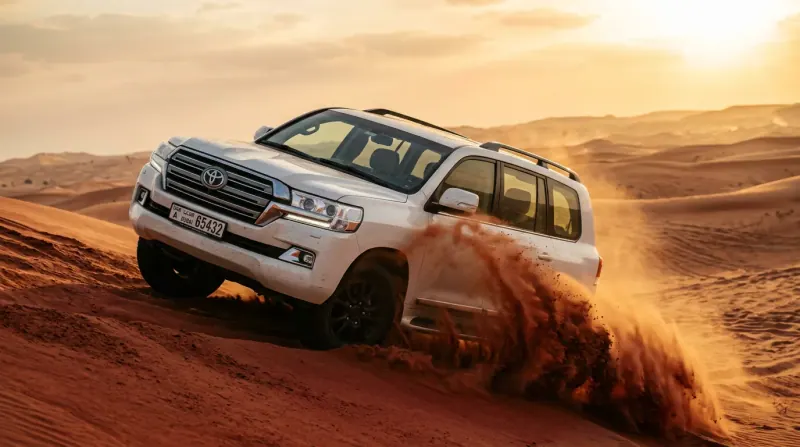
For those who want a structured experience, Classic Desert Safari offers guided buggy excursions that follow established desert trails. This can be a good option if you want to focus on the scenery and the thrill without worrying about navigation.
Consider the Buggy's Size and Seating
Desert buggies come in different sizes. Some seat only the driver, while others have room for a passenger. If you plan to ride alone, a single-seater buggy is lighter and more agile. If you want to share the experience with a friend or family member, look for a two-seater model with a proper passenger seat and handholds. Check the weight capacity of the buggy as well. Overloading affects performance and safety, especially on soft sand.
The seating position also makes a difference. Some buggies place you low to the ground, which can feel more stable but gives you a limited view of the terrain ahead. Others have a higher seating position that helps you see the dune contours better. Sit in the buggy before you commit, if you can, to see if the layout feels comfortable for a ride that may last an hour or more.
Look at Safety Features
Safety should be a priority when you pick a desert buggy. Start with the roll cage. A sturdy roll cage protects you if the buggy tips over, and it should be made of welded metal tubing, not thin or flimsy material. Check that the seat belts are functional and easy to fasten. A four-point harness is better than a simple lap belt because it keeps you more secure during sharp turns or bumps.
Other safety items to look for include a kill switch, which stops the engine if the driver is thrown from the seat, and a fire extinguisher mounted within reach. Some buggies also have a flag or a whip antenna with a bright flag on top. This flag makes the buggy visible from a distance, which is important on dunes where riders can disappear behind a crest. Ask the operator about the buggy's maintenance schedule. A well-maintained buggy with properly inflated tires, functional brakes, and clean fuel lines is far less likely to cause problems in the middle of the desert.
Think About Speed and Power
Buggy performance is often measured by engine size, usually in cubic centimetres (cc). A buggy with a smaller engine, around 500cc, is fine for gentle dunes and beginners. A larger engine, 800cc or more, gives you the power to climb steep dunes and maintain speed on long stretches. However, more power also means you need to be more careful with the throttle. In soft sand, too much speed can make the buggy unstable, and sudden acceleration can cause the tires to spin and dig the buggy into a hole.
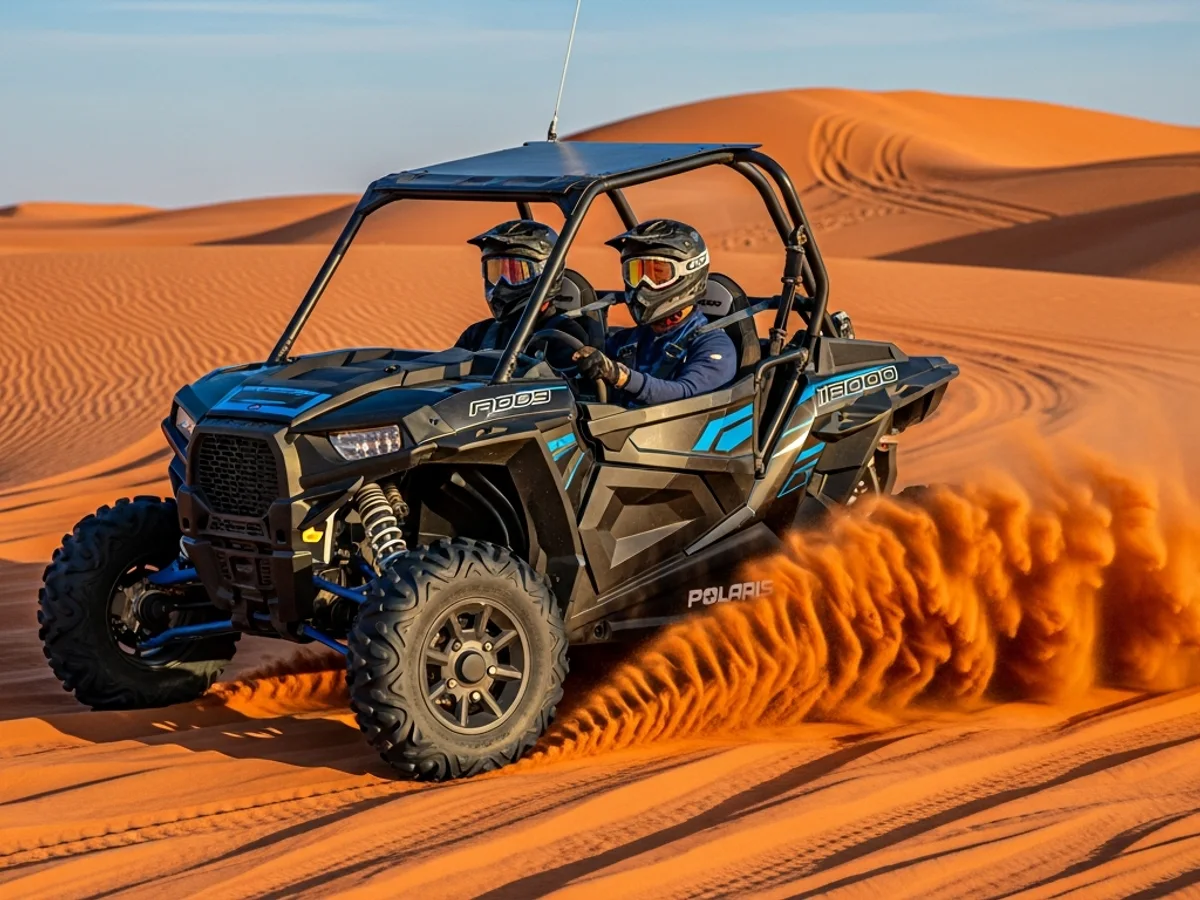
Many desert trails in Dubai have a speed limit, and it is smart to respect it. Going fast on a dune may feel exciting, but it reduces your reaction time if you meet another buggy or an unexpected drop. A sensible approach is to start at a moderate speed and increase only when you feel confident and can see the terrain ahead clearly. The best buggy for you is one that gives you enough power to enjoy the ride without pushing you beyond your comfort zone.
Examine the Tires and Suspension
Tires designed for sand have a special tread pattern, often with wide gaps between the treads to help the tire grip the sand without clogging. Some buggies use balloon tires that are extra wide and run at low pressure. These tires float on top of the sand and provide good traction on soft surfaces. Check that the tires are in good condition, with no cuts or excessive wear. A tire that is too worn can lose grip and cause the buggy to slide sideways on a dune.
Suspension quality matters for comfort and control. A buggy with good suspension absorbs the bumps and dips of the desert, which reduces fatigue and keeps the tires in contact with the ground. Look for independent suspension on all four wheels. This design allows each wheel to move separately, which helps the buggy stay stable on uneven terrain. If the suspension feels too stiff or too bouncy during a test ride, the buggy may not handle the dunes well.
Know What to Bring and What to Wear
Even with the right buggy, your personal gear affects the experience. Wear closed-toe shoes with good grip, and long trousers and a long-sleeved shirt to protect your skin from the sun and from any sand that gets kicked up. A helmet is often required, and some operators provide one. Goggles or sunglasses with a strap help keep sand out of your eyes. Bring plenty of water, especially if you are riding in the hotter months. The desert can be dehydrating even on a short ride.
It is also wise to carry a charged mobile phone in a sealed bag, and to tell someone your planned route and expected return time. If you join a guided tour, the guide will carry communication equipment and know the area well. For solo riders, a GPS device or a map of the desert trails is essential. The desert looks different from every angle, and dunes can shift with the wind, so navigation is not as simple as following a road.
Respect the Environment and Wildlife
The desert is a fragile ecosystem. When you ride a buggy, you share the land with native plants and animals. Avoid driving over vegetation, which can take years to recover. Keep an eye out for wildlife spotting opportunities: you might see oryx, gazelles, or desert foxes, especially in the early morning or late afternoon. Drive slowly near any animals and give them space. Do not chase them or drive too close. Responsible riding helps preserve the desert for future visitors and protects the creatures that live there.
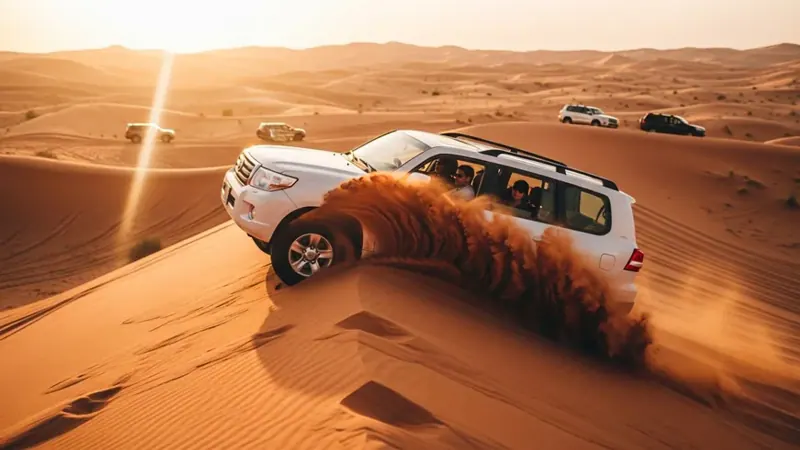
Stick to established trails where possible. Driving off-trail can damage the desert crust, which is a thin layer of soil and microorganisms that holds the sand in place. Once broken, this crust can lead to erosion and sand movement. Many operators, including Classic Desert Safari, run their excursions on designated routes that minimise environmental impact. Choosing a guided tour is a simple way to enjoy the dunes responsibly.
Making Your Choice
Picking the right buggy for a desert ride in Dubai comes down to matching the vehicle to the terrain, your skill, and your expectations. Start by understanding the desert conditions and the buggy's basic design. Check your licence and experience level, then look at size, safety features, power, tires, and suspension. Prepare yourself with the right clothing and supplies, and ride with respect for the environment. With these steps in mind, you can choose a buggy that gives you a safe, memorable experience on the dunes.